
Nigeria’s gym industry has grown a lot in the last five years. What was once a niche activity for athletes and bodybuilders has gone mainstream, with new gyms opening quarterly all across the country. Plus, you see Instagram feeds full of workout content and supplements.
With all of that growth has come a lot of noise. WhatsApp health groups, gym floor gossip, fitness influencer content, and family opinion have all contributed to a thick layer of myths about Nigerian gym-goers. We’ve pulled the most persistent ones from Nigerian social media and gym floors and addressed them directly.
MYTH 1: “Women who lift will become too muscular”
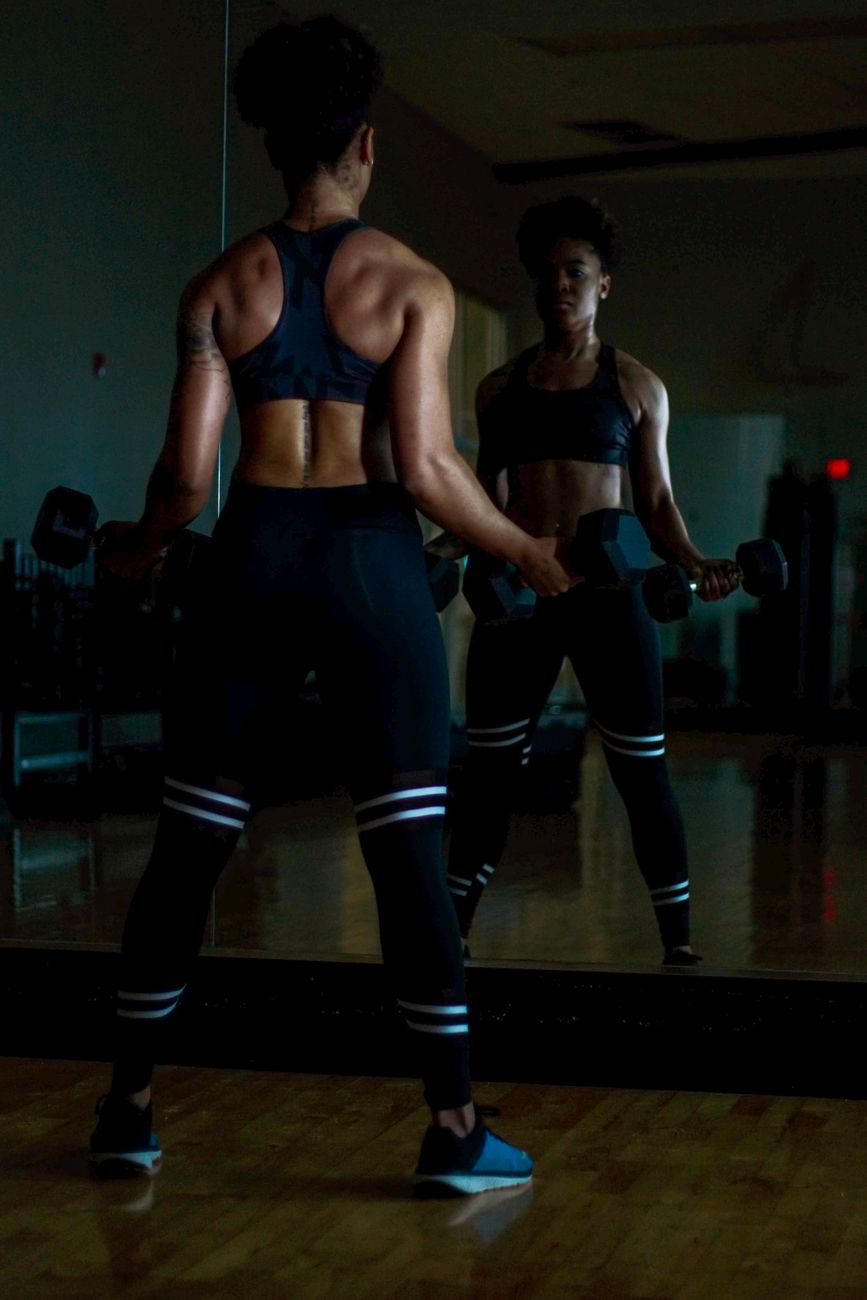
This is the single most damaging fitness myth in Nigeria, and it has kept thousands of women away from the weight section of gyms for years. The fear is specific: that lifting dumbbells or doing strength training will produce a large, masculine physique.
Here is the biology. Women have roughly 15 to 20 times less testosterone than men. Testosterone is the primary hormone that drives significant muscle mass growth. Without it in large quantities, the body simply cannot build the kind of large, bulky muscle that this myth describes, not from regular gym training.
What strength training actually does to a woman’s body is increase lean muscle tone, improve posture, raise metabolism, and reduce body fat. The women you see on social media with unusually large muscles are either professional athletes who have trained for years under specific programming or are using performance-enhancing drugs. A woman doing squats and deadlifts three times a week in an Abuja gym is not going to accidentally look like that.
MYTH 2: “Sweating more means you’re burning more fat”
You’ve seen it at the gym, someone wrapped in a sweat belt, wearing a bin bag under their gym clothes in the middle of Lagos heat, absolutely drenched. The belief behind it is understandable: the more you sweat, the more you lose. But sweat is not fat, leaving the body. Sweat is water and electrolytes leaving the body to cool it down.
The weight you lose immediately after a very sweaty workout is almost entirely water weight. Drink water, and it comes back within hours. You can sweat profusely during a light walk in Abuja’s heat and burn fewer calories than someone doing a quiet, dry strength training session in an air-conditioned gym.
Calorie burn is determined by the intensity and type of exercise, not by how wet your shirt is. Sweat belts and waist trainers compound this myth: they trap heat, cause excessive water loss, and do nothing to reduce fat. The only thing they flatten is your hydration.
MYTH 3: “The gym is a hook-up spot, people don’t actually train”
This one is loud on Nigerian social media and in newspaper headlines. Premium Times, Punch, and multiple Lagos blogs have run stories about gyms becoming ‘hookup hotbeds.’ A banker quoted in Punch described his gym as a socializing space first and foremost.
A Medium piece from 2025 described Nigerian gym culture as ‘the new nightclub, but for abs and affirmations.’ The stories are real; some people do use the gym primarily for social connections.
But the conclusion drawn from those stories, that serious training doesn’t happen in Nigerian gyms, or that everyone there has an ulterior motive, is not accurate. It paints an entire growing health movement with a single brush stroke.
Most people at iFitness at 6 AM are not there to socialize. They’re there because they have jobs to get to and goals to hit before the day starts. The gym-as-hookup narrative is widely shared because it’s entertaining. The person quietly hitting their macros and going home doesn’t make the news.
MYTH 4: “You need protein powder to see results from the gym”
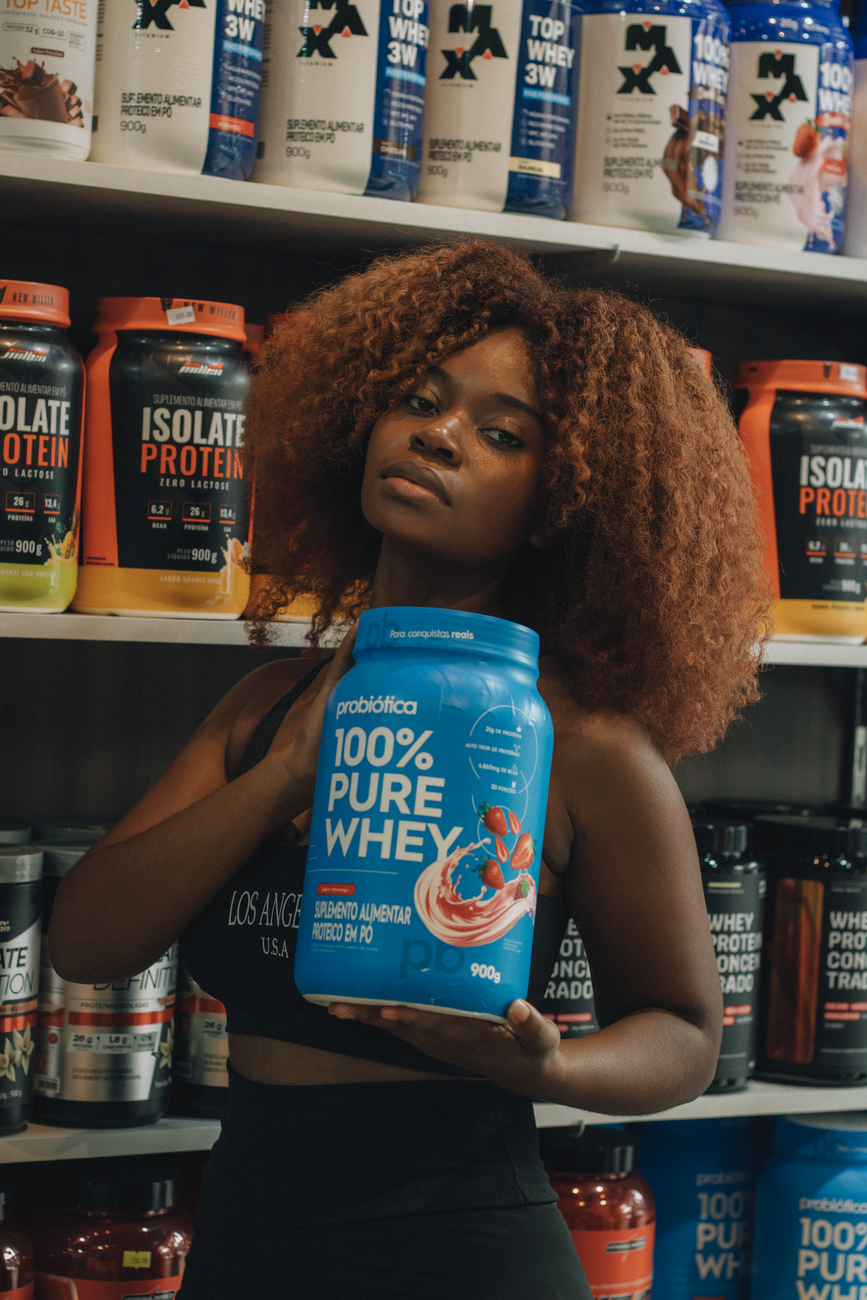
The supplement market in Nigeria has grown significantly alongside gym culture, and with it the belief that you cannot make progress without whey protein. Walk into any Lagos gym, and you’ll find trainers recommending supplements within the first week of a new member joining, sometimes pushing specific brands they earn commission on.
The truth is simpler: your body needs protein, not specifically whey protein. Eggs, beans, moi moi, fish, sardines, chicken, groundnuts, Nigerian food is full of high-quality protein sources. A half-crate of eggs per week, consistent beans, and regular fish will provide more than enough protein for most gym-goers at a fraction of the cost of a ₦80,000 tub of whey.
Supplements fill gaps in your diet. If your food protein is adequate, supplements are a convenience, not a necessity. The gym industry in Nigeria, like in other countries, benefits financially from the belief that it is essential.
MYTH 5: “A potbelly means you’re comfortable and doing well in life”
This is a specifically Nigerian cultural myth that has real health consequences. The potbelly as a symbol of prosperity, of a man who eats well, lives comfortably, and has no stress about where the next meal comes from, is embedded in how success is perceived across multiple Nigerian communities.
Koboko Fitness, one of Nigeria’s most prominent fitness content creators, has directly noted this: in Nigeria, ‘a potbelly is the ultimate sign of good living.’ The medical reality is the opposite. Abdominal fat, specifically visceral fat, which accumulates around the organs, is the most metabolically dangerous type of fat the body can carry. It is directly linked to Type 2 diabetes, hypertension, heart disease, and stroke.
Nigeria already has high rates of all four of these conditions. The potbelly that signals social success is also a clinical risk factor for the diseases killing Nigerian men in their fifties and sixties. The cultural reframe needed here is not about aesthetics. It’s about health outcomes.
MYTH 6: “If you stop going to the gym, your muscles turn to fat”
This one circulates constantly on Nigerian WhatsApp groups as a reason not to start: ‘What if I stop going? Won’t the muscle just turn to fat?’ The short answer is no. Muscle and fat are completely different types of tissue. One cannot convert into the other, any more than your liver can turn into a kidney.
What actually happens when someone stops training is this: muscle mass decreases gradually because it’s no longer being stimulated. Meanwhile, if the person continues eating the same amount of food they ate when they were training, they are now eating more than their body needs, because their calorie expenditure has dropped, and the excess is stored as fat.
The fat doesn’t come from the muscle. It comes from the diet. The solution is simple: if you stop training for a period, adjust your food intake downward to match your lower activity level. The myth causes unnecessary anxiety about starting and should not be the reason anyone avoids the gym.
MYTH 7: “You have to go every day, or it’s not worth it”
All-or-nothing thinking is one of the main reasons people abandon gym memberships in Nigeria. The mentality sounds like this: ‘If I miss Monday and Tuesday, what’s the point of going on Wednesday?’ Or: ‘I can only go twice this week, so I’ll just wait till next week when I can do the full program.’
Two sessions a week, done consistently over twelve months, produce significantly more results than five sessions a week for three weeks followed by a complete dropout. The research on exercise frequency is detailed: Two to three sessions per week are sufficient for measurable improvements in strength, body composition, and cardiovascular health for most adults.
What separates people who see results in Nigerian gyms from those who don’t is rarely the number of days per week they work out. It’s the months and years of consistency. Going twice this week is infinitely better than going zero times because you couldn’t go five.
MYTH 8: “The gym is too expensive for ordinary Nigerians”
This myth has more truth in it than the others, which is why it needs nuance rather than dismissal. Premium gyms on Lagos Island and in Abuja GRA are genuinely expensive; ₦50,000 to ₦150,000 per month is not accessible to the majority of Nigerians. That part is accurate and shouldn’t be minimized.
But the Nigerian gym market has a much wider range than the Instagram-famous premium gyms suggest. Neighborhood gyms in Surulere, Isolo, Gwarinpa, and across secondary cities like Uyo, Enugu, and Calabar charge ₦8,000 to ₦20,000 per month. Frebson Fitness in Isolo is ₦20,000. iFitness Surulere is ₦19,490.
Best Body Gym in Abuja has a daily pass at ₦5,000. Accessible gyms exist in almost every major Nigerian neighborhood. The real barrier for many people is not price; it is awareness that these options exist and the cultural permission to prioritize personal health spending. Both of those are solvable.
Conclusion
Nigerian gym culture is still young enough that the myths shaping it can still be corrected. Most of the beliefs above are not unique to Nigeria; versions of them exist in every country where gym culture is growing.
What makes them worth addressing specifically here is the cultural context that makes them stickier: the potbelly as a status symbol, the gender norms around women and weight, the all-or-nothing mentality that maps onto how Nigerians approach many areas of life, and the supplement industry’s financial interest in convincing people that food protein isn’t enough.
The gym works. It works in Nigeria the same way it does everywhere else: with consistency, realistic expectations, and accurate information. The myths are the main thing standing between many Nigerians and the results they’re genuinely capable of achieving.