


Walk into a pharmacy in Lagos or Abuja, and you’ll likely find it on the shelf. Scroll through TikTok or Instagram, and you’ll see sellers promoting it. Ask in a fitness WhatsApp group whether anyone has tried Apetamin for weight gain, and someone will respond almost immediately.
Apetamin is everywhere in Nigeria, and the conversations around it are quite loud. Some people swear by it, but others have ended up in hospital. Most people using it have no idea what they’re actually taking.
So, we’re here to break down what Apetamin is, what Nigerians are asking about it online, whether it works, and — most importantly — why taking it without a doctor’s guidance is a risk you shouldn’t be willing to take.
What Is Apetamin?
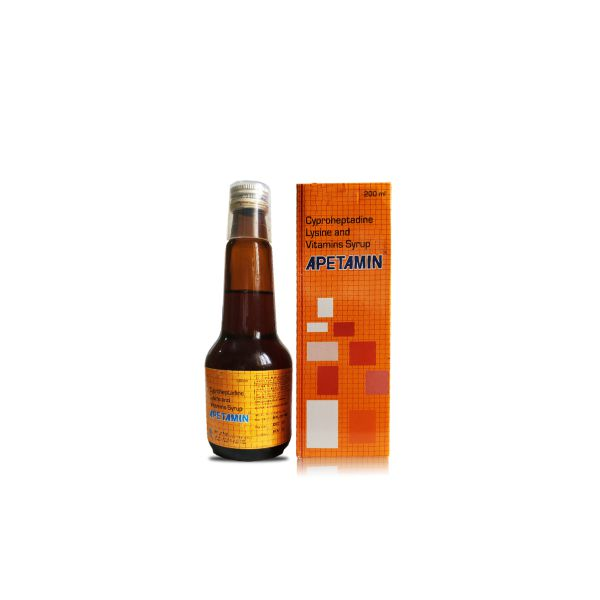
Apetamin is a syrup manufactured by TIL Healthcare in India. It’s widely marketed as an appetite booster and weight gain supplement. The active ingredient is cyproheptadine, an antihistamine originally developed to treat allergies. The syrup also contains lysine (an amino acid) and vitamins B1 and B6.
What most people buying it don’t know is that cyproheptadine is a prescription-only drug in many countries. In the UK and France, it’s banned for over-the-counter sale. The US FDA has flagged it as an illegal product when sold without a prescription.
In Nigeria, NAFDAC has stopped registering and renewing this combination. That means no new Apetamin products should be entering the market through legitimate channels. Still, older stock continues to circulate, and unregistered versions are being sold openly.
A 2024 investigation by Dubawa found Apetamin on sale in four out of eight Lagos pharmacies visited. Most were available without a prescription, priced between ₦5,500 and ₦7,350 per bottle. Some packs had valid NAFDAC numbers; others did not.
What Nigerians Are Asking About Apetamin for Weight Gain
We looked at the questions and comments circulating on Nigerian social media and forums. Here are the most common ones, along with our honest answers.
Does Apetamin actually work for weight gain?
In a narrow sense: yes, it can cause weight gain. Cyproheptadine affects histamine and serotonin receptors in the brain and is known to increase appetite. Doctors occasionally use it for patients with severe malnutrition or eating disorders, under close medical supervision.
But there’s no rigorous research on the correct dose or duration for cosmetic weight gain. “It did open up my appetite for me to eat more,” one Nigerian user told Dubawa. Another stopped after three days because of anxiety and a faster heartbeat. The results vary widely, and so do the consequences.
Can Apetamin give me a slim-thick figure?
This is the claim that has made Apetamin for weight gain popular among young Nigerian women. The idea is that it deposits fat specifically on the hips and buttocks, creating an hourglass shape. However, this is not how the drug works.
Cyproheptadine stimulates your overall appetite. Your genetics and hormones determine where your body stores extra calories from eating more Nigerian food, not the drug. No evidence shows Apetamin selectively builds curves. The “slim-thick” body ideal being sold on social media has no scientific basis in how this drug actually functions.
I’ve seen it in pharmacies. If it were dangerous, they wouldn’t sell it, right?
This is one of the most common reasons Nigerians trust the product. Well, it’s also a dangerous assumption. Availability at a pharmacy doesn’t mean safety or legality. NAFDAC has confirmed it stopped renewing the product’s registration. Pharmacies selling it without a prescription are operating outside the rules, but enforcement is inconsistent.
Former Pharmaceutical Society of Nigeria Chairman Dr. Abiodun Ajibade has specifically warned Nigerians about this. He called for people to stop self-medicating with weight-gain products and to insist on a doctor’s prescription before taking anything.
I’ve been taking it for two weeks, and I feel fine. Is it safe to continue?
Short-term use with no immediate symptoms doesn’t mean the drug is safe for you. The most serious risks, including liver damage, have appeared after several weeks of continued use.
A 2020 medical case report documented a previously healthy woman who developed drug-induced autoimmune hepatitis after six weeks of daily Apetamin use. She had jaundice, fatigue, and abdominal pain, and required long-term treatment. Cyproheptadine is classified as a hepatotoxin, meaning it can damage the liver.
What’s the correct dosage for weight gain?
There’s no established safe dosage for using Apetamin specifically for weight gain because it was never studied or approved for that purpose. Taking more to get faster results significantly raises the risk of serious side effects.
The Risks of Using Apetamin for Weight Gain
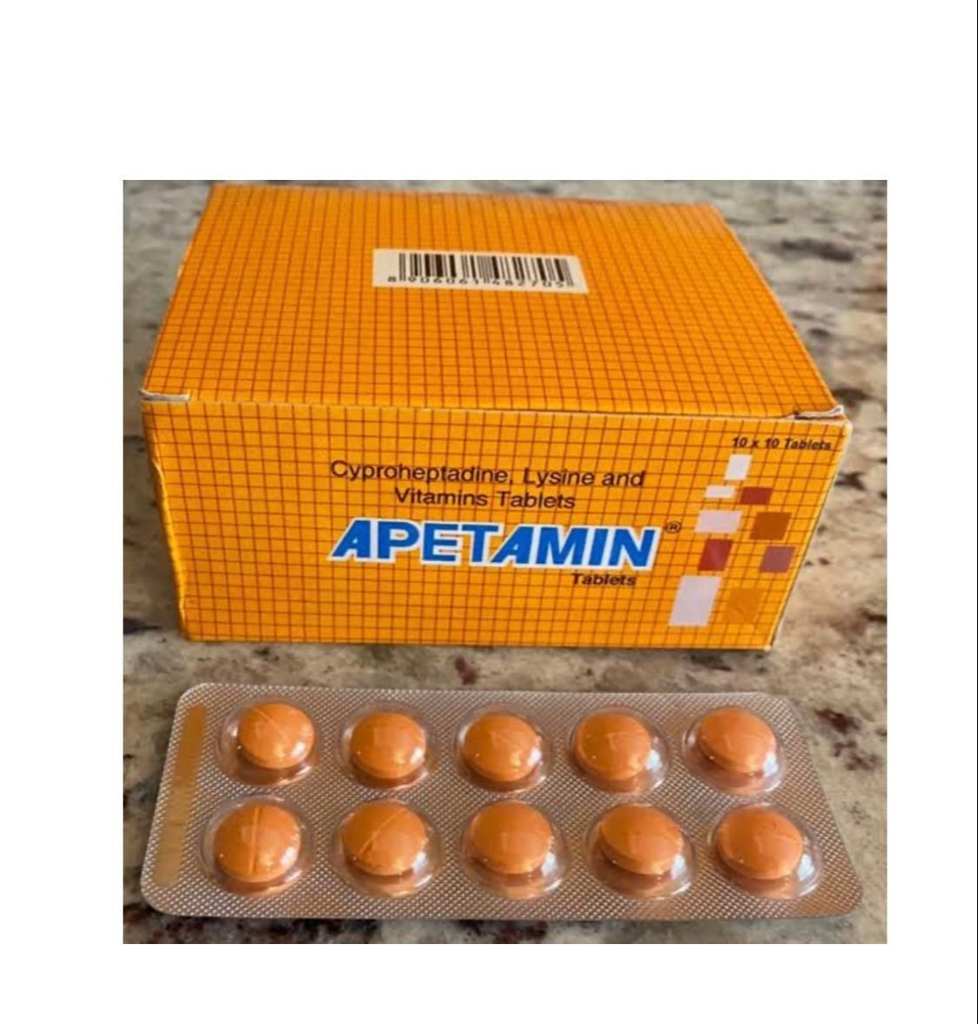
Apetamin’s label warns about drowsiness. What it does not make adequately clear are the more serious risks that medical research has documented:
- Liver damage: Cyproheptadine is a known hepatotoxin. Liver damage has been reported with prolonged use, including cases of autoimmune hepatitis.
- Heart problems: Nigerian clinical pharmacologist Peter Akhidenor has warned of arrhythmias (irregular heartbeat), QT prolongation, and heart attack risk, particularly with misuse.
- Immune system disorders: One Nigerian user developed immune thrombocytopenia (ITP), a bleeding disorder her hematologist linked to cyproheptadine use.
- Dangerous sedation: At higher doses, the sedative effect becomes severe. Combined with alcohol or other sedatives, this can be life-threatening.
- Unregistered products: Some Apetamin sold in Nigeria has no NAFDAC number at all — meaning no regulatory check has been done on the contents. You may not even be getting what the label says.
Don’t Follow the Social Media Hype
A significant part of why Apetamin remains popular in Nigeria is how it is sold and promoted online. The NHS in the UK has formally urged Instagram and TikTok to crack down on Apetamin promotion. TikTok restricted the direct search term “Apetamin.” So, sellers on the platform began spelling it differently: “Apetimine,” “Apetamin syrup,” “A-petamin,” and variations that bypass the filter.
In Nigerian gym and fitness social media communities, before-and-after videos circulate regularly. They show young women with claimed body transformations. What these videos rarely show: the side effects, the hospital visits, or the fact that the people filming them are often being paid to promote the product. They’re rarely documenting a genuine health outcome.
We’re not saying every person who has taken Apetamin had a terrible experience. Many report no immediate problems. But the absence of immediate harm is not proof of safety. And the people with the most dramatic negative outcomes are rarely the ones creating content.
Safer Options If You Want to Gain Weight in Nigeria

The goal of gaining weight—especially for underweight people—is legitimate. But some approaches do not carry the risks that come with unsupervised drug use:
- See a doctor first. If you are struggling to gain weight despite eating enough, there may be an underlying cause: thyroid issues, poor nutrient absorption, or other conditions. A doctor can identify this and recommend the right intervention.
- Increase caloric intake through food. Groundnut paste, avocado, eggs, beans, full-fat dairy, rice, and starchy tubers are all calorie-dense Nigerian foods. They support healthy weight gain without the side effects of drugs.
- Strength training. Building muscle mass through resistance training is one of the most effective and safest ways to gain weight and improve your body composition over time.
- Consider proper supplements. Mass gainer protein supplements, when bought from verified stores, are a safer, better-studied option for people genuinely trying to add weight alongside training.
What to Keep in Mind
Apetamin is not a weight gain supplement. It’s a prescription antihistamine drug being misused as one. It can increase appetite, but at the cost of real health risks, including liver damage, heart complications, and immune disorders.
That you can buy it at a pharmacy near you doesn’t make it safe. That someone on TikTok says it gives them a slim-thick figure doesn’t make it effective for that purpose. That you have taken it before without immediate problems doesn’t mean continued use is wise.
We don’t mean every person who takes Apetamin will end up in a hospital. We are saying: this is a drug with documented risks; it’s not approved for what it’s being sold as. And taking it without a doctor’s supervision, especially at the doses people use for weight gain, is dangerous.
If you want to gain weight, speak to a doctor. If you’re already taking Apetamin and experiencing unusual symptoms — fatigue, abdominal pain, rapid heartbeat, yellowing of the skin or eyes — stop immediately and seek medical attention.