

Everything you need to know before signing up, paying up, or showing up.
You may be a complete beginner looking for your first gym, or someone who’s been training for years and wants to make better decisions. Either way, this guide covers everything. I’ll explain how to evaluate gyms in Nigeria and what you should pay in different cities. You’ll also learn how to negotiate, and the red flags that should make you walk straight back out the door.
GymSquare is Nigeria’s first dedicated gym review platform. We visit gyms firsthand, verify prices, and publish honest reviews so you don’t have to figure it out yourself.
Why Gym Membership in Nigeria is Different
In many countries, gym pricing is transparent. You visit a website, see the membership tiers, and sign up online. In Nigeria, that’s rarely the case. Most gyms don’t publish prices publicly.
There are also infrastructure considerations that don’t apply elsewhere. I’m talking about generator availability, air conditioning, and water supply. These are not luxury but basic requirements for a functioning gym in the Nigerian setting. Yet, many gyms fall short on all three.
This is why a Nigerian-specific gym guide matters. Generic fitness advice written for London or New York doesn’t account for any of this.
Types of Gyms in Nigeria
Before you start searching, it helps to understand what category of gym you’re actually looking for. I’ve explained the various types below:
Commercial Gyms and Fitness Chains
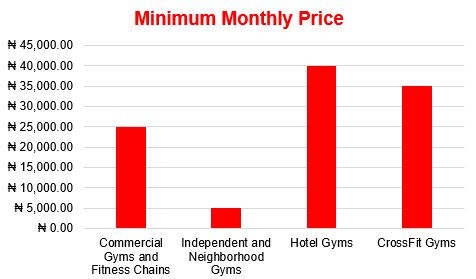
These are the big, branded facilities with professional trainers and consistent maintenance. They tend to be the most expensive. Expect to pay ₦25,000–₦100,000+ per month, depending on the facility and location.
Independent and Neighborhood Gyms
Privately owned, often operated by a trainer or small business. Equipment quality varies widely, and pricing is more flexible and often negotiable. I often see rates from ₦5,000 to ₦20,000 monthly. Some are genuinely excellent; others are poorly maintained. In my opinion, these are the gyms where firsthand reviews matter most.
Hotel Gyms
Most 4-star and 5-star hotels in Lagos and Abuja have gym facilities. They’re usually well-maintained and air-conditioned, but monthly membership rates are steep (₦40,000+). Day passes are sometimes available if you’re lodged in the hotel.
CrossFit and Functional Fitness Boxes
A growing category in Lagos and Abuja, these gyms specialize in high-intensity coached training. Classes are usually included in the membership, and pricing is mid-to-high range (₦35,000–₦70,000/month). You get coaching sessions, not just access to equipment.
I created the bar chart below to help you quickly compare the different gym types and their estimated rates:
How Much Does a Gym Membership Cost in Nigeria?
Prices vary significantly by city, gym type, and even by when you sign up. The table below gives a realistic ballpark based on my firsthand research.
| City | Budget Gym/month | Mid-Range/month | Premium/month |
|---|---|---|---|
| Lagos (Mainland) | ₦6,000 – ₦15,000 | ₦15,000 – ₦35,000 | ₦35,000 – ₦80,000+ |
| Lagos (Island / VI / Lekki) | ₦12,000 – ₦25,000 | ₦25,000 – ₦50,000 | ₦50,000 – ₦150,000+ |
| Abuja | ₦10,000 – ₦20,000 | ₦20,000 – ₦45,000 | ₦45,000 – ₦100,000+ |
| Port Harcourt | ₦7,000 – ₦18,000 | ₦18,000 – ₦40,000 | ₦40,000 – ₦80,000+ |
| Ibadan | ₦5,000 – ₦12,000 | ₦12,000 – ₦25,000 | ₦25,000 – ₦50,000+ |
Tip: Always ask about quarterly and annual payment options. Most gyms offer 10–20% discounts for upfront payments. A gym that costs ₦25,000/month might be available for ₦220,000 annually, saving you ₦80,000.
The GymSquare Evaluation Checklist
Before committing to any membership, walk through this checklist on your in-person visit. A gym that fails more than two or three of these should be a hard pass.
Equipment
- Dumbbells from at least 5kg to 40kg in good condition
- At least two barbells with enough weight plates
- A squat rack or power cage
- Cardio equipment (treadmills, bikes, ellipticals) with at least half in working order
- Cable machines with full pin stacks
- Flat and incline bench press benches
Facility
- Air conditioning or powerful fans throughout the training floor
- Functioning generator backup, and ask how many hours per day it runs
- Clean changing rooms and toilets with running water
- Adequate lighting across all areas
- Enough space to train without constant interruptions
Operations
- Written membership pricing available on request
- Qualified trainers on the floor
- Opening and closing hours that are actually respected
- Reasonable member-to-equipment ratio; visit during peak hours (6–8 am, 6–8 pm) to judge
Red Flags: Walk Away From Any Gym That Does This
Based on my experience, gyms that exhibit any of the following behaviors are not worth using:
They refuse to give you a price without a tour
If a gym won’t give you a simple price range without making you sit through a 45-minute sales pitch, that’s a manipulation tactic, not a service culture. Good gyms are upfront about pricing.
The generator runs for only 2–4 hours a day
I always ask specifically: ‘What are your generator hours?’ A gym that barely runs is going to be a miserable experience during NEPA outages, which, in most Nigerian cities, is most of the time.
Equipment has been broken for months
One broken treadmill is understandable. Three broken treadmills with dust on them are a maintenance culture problem. Ask staff how long the equipment has been down and what the repair timeline is.
No written membership agreement
Always insist on a written receipt and membership agreement. If a gym wants cash with no paperwork, you have no recourse if there’s a dispute later.
How to Negotiate Your Gym Membership
Unlike in many countries, gym pricing in Nigeria is often negotiable, especially at independent gyms. Here’s how to approach it:
- Always ask for a discount. ‘Is there any flexibility on the price?’ is all you need to say.
- Use competing quotes. ‘I was quoted ₦18,000 at [Gym X], can you match that?’ This works more often than you’d expect.
- Ask about family or couple rates. Many gyms offer reduced rates for groups of two or more when they sign up together.
- Negotiate for free months. Instead of a price reduction, ask for ‘sign for 10 months, pay for 8.’
- Sign up at the end of the month. Sales staff often have monthly targets and are more willing to negotiate in the final week.
Day Passes vs Monthly vs Annual Membership
I’ve seen many new gymbies wondering which gym plan to subscribe to when starting. Well, here’s my expert advice on that:
Day Passes (₦1,500 – ₦5,000)
Best for travelers, people who train very infrequently, or those who want to test a gym before committing. Most mid-range and premium gyms offer them. Budget gyms often don’t.
Monthly Memberships
Ideal for beginners who aren’t sure how consistent they’ll be. More expensive per month than the annual plan, but no long-term commitment.
Quarterly Memberships (3 months)
An underutilized option. Usually priced at a 10–15% discount versus paying monthly. Good middle ground if you’re confident about 90 days but not a full year.
Annual Memberships
Best for consistent gym-goers who have thoroughly vetted the facility. Annual offers the biggest savings (often 15–25% cheaper per month) but locks you in. My suggestion is to never pay for a gym membership annually if you haven’t tried it for at least a month.
Questions to Ask Before You Sign Anything
- What are your exact opening and closing hours, including weekends?
- How many hours per day does your generator run?
- Is there a cancellation policy or refund if I need to leave early?
- Are there any additional fees not included in the membership price (lockers, towels, trainers)?
- What is the current member count and average footfall during peak hours?
- Are trainers included in the membership or billed separately?
- What happens to my membership if the gym closes or moves locations?
Final Checklist Before Signing Up
- I have visited the gym in person during peak hours (6–8 am or 6–8 pm)
- I have done at least one trial session or a day pass
- I have received the membership price in writing
- I have confirmed the generator hours
- I have checked that the equipment I need is in working condition
- I have asked about the cancellation policy and hidden fees
- I have compared at least two gyms in my area before deciding
- I have read or plan to submit a GymSquare review for this gym
After ticking off the above, you’re set to register with the gym if the facility meets your preferences.
Final Word
A bad gym membership is expensive in two ways: financially, and in terms of motivation. Paying for a gym you dread going to because of poor maintenance, constant NEPA issues, or pushy sales staff is one of the fastest ways to kill a fitness routine.
Therefore, I advise taking your time to choose a location. Visit in person, ask the uncomfortable questions, and negotiate. When you find a gym worth recommending, or one worth warning people about, share your experience on GymSquare.
GymSquare publishes firsthand gym reviews across Nigeria. Visit gymsquare.ng to read reviews or submit your own.